After more than ten years working in professional oven cleaning, I’ve learned that most people don’t underestimate how dirty their ovens are—they underestimate how much that buildup affects daily cooking. The first time I used Rapid Oven Cleaning on a job where a family had given up on baking altogether, I was reminded why the right approach matters more than brute force. A proper clean isn’t about making an oven “look okay”; it’s about restoring how it actually works.
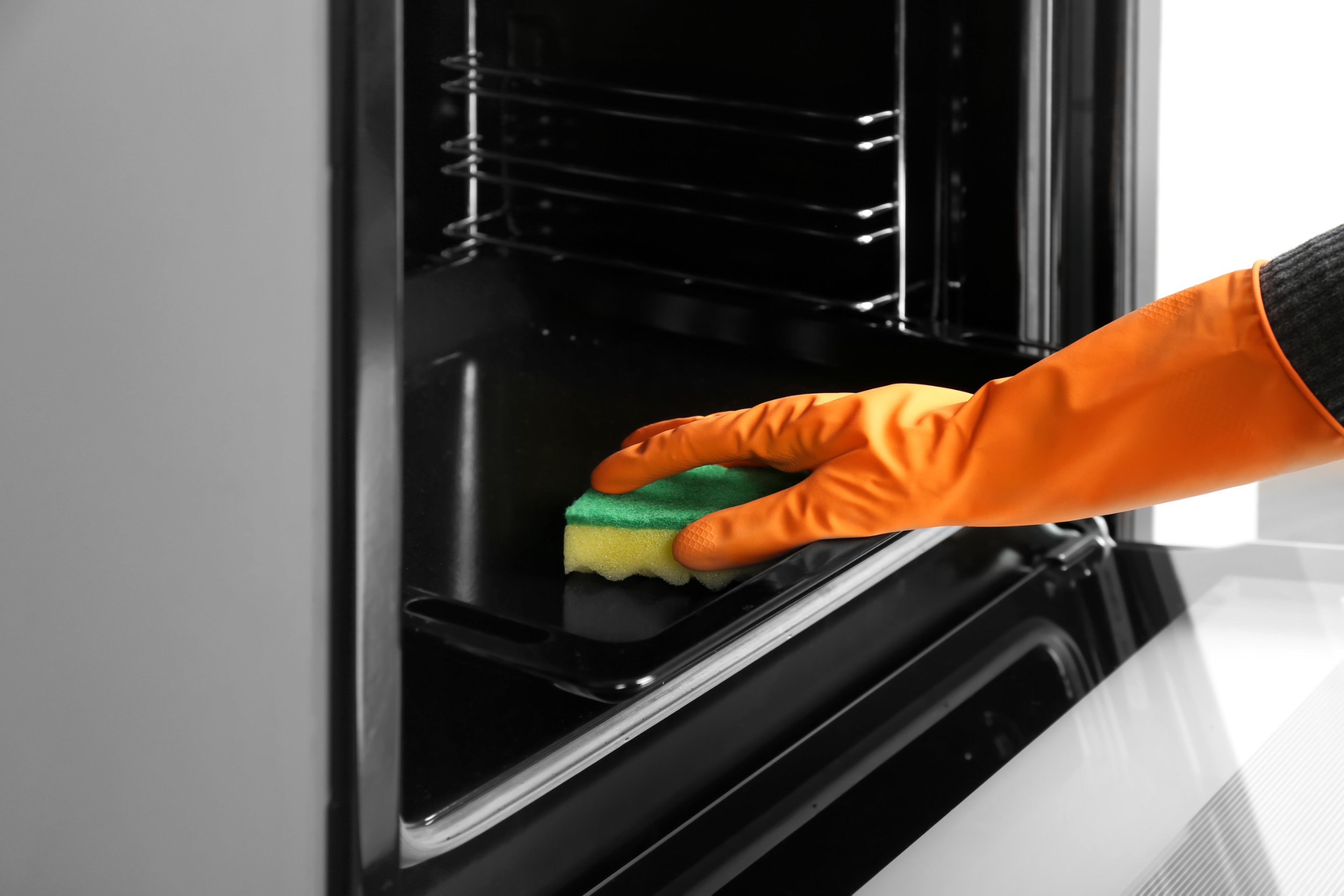
I didn’t start out believing in specialized oven services. Early in my career, I tried to solve everything with off-the-shelf chemicals and a lot of elbow grease. It worked sometimes, but it was inconsistent and often left behind fumes or residue that customers complained about later. One winter, I cleaned an oven for a couple who loved cooking roasts on Sundays. They told me afterward that food tasted “off” for weeks. That experience pushed me to refine my methods and focus on safer, more controlled cleaning processes that don’t leave lingering smells or chemical traces.
What most homeowners don’t see is how grease migrates. It’s not just the visible spills at the bottom of the oven. Over time, fats vaporize, coat the fan housing, cling to door seals, and harden around the thermostat sensor. I’ve opened ovens that looked acceptable on the surface but smoked every time they hit high heat. In one case last spring, a customer thought they needed a new oven because it kept triggering the smoke alarm. After a deep clean, the problem disappeared completely. That’s not rare—it’s routine.
One of the most common mistakes I encounter is people using aggressive store-bought sprays and then heating the oven to “burn it off.” I’ve scraped charred cleaner residue off oven walls more times than I can count. Not only does that damage enamel over time, it also creates an acrid smell that transfers straight into food. I’ve found that controlled, low-fume solutions paired with patient manual work are far more effective. It takes longer, but the results last, and customers don’t feel like they need to air out their house for hours afterward.
Another misconception is that self-cleaning cycles are harmless. I’ve seen them warp racks, damage door locks, and even blow thermal fuses. A client once called me in a panic after her oven shut down mid-cycle and wouldn’t turn back on. The repair cost more than several professional cleans would have. I’m not saying self-cleaning is always disastrous, but in my experience, it’s a gamble—especially on older units or ovens that already have heavy buildup.
There’s also a hygiene angle that rarely gets talked about. Old grease isn’t just unpleasant; it becomes a magnet for bacteria and burnt carbon. When I clean an oven thoroughly, I can usually tell how often someone cooks and what they cook most. Fish oils, sugary desserts, and meat fats all leave different residues. A proper clean removes those layers so flavors don’t bleed into each other. Customers often tell me their oven “heats better” afterward, but what they’re really noticing is cleaner airflow and more consistent temperatures.
Over the years, I’ve developed a strong preference for services that treat oven cleaning as a craft rather than a quick add-on. The difference shows in the details: removable doors handled carefully, racks cleaned separately instead of sprayed in place, and seals wiped without being degraded. I once redid a job that had been rushed by another company. The oven looked shiny, but grease was still trapped behind the fan cover. Within a month, the smell returned. That kind of shortcut work costs customers more in the long run.
If there’s one thing I’ve learned, it’s that a clean oven changes how people cook. I’ve had customers start baking bread again, others host dinners they’d been avoiding, and a few even delay buying new appliances because their existing oven suddenly feels “new enough.” From my perspective, that’s the real value of professional oven cleaning—not cosmetic improvement, but restoring confidence in a tool people use almost every day.
After a decade in this field, I don’t recommend harsh DIY methods, and I don’t believe oven cleaning should be treated as an afterthought. Done properly, it protects the appliance, improves food quality, and removes problems most people assume are just part of cooking. When you see an oven go from neglected and smoky to clean, quiet, and predictable, it’s hard not to appreciate the difference real experience makes.